
 中文
中文
-
 中文
中文 -
English

R&D
TECHNOLOGY
We are we are always focus on LSR injection mould and silicone products customized
Liquid silicone mold features
2024-12-26 00:00:00
浏览:
“
Liquid silicone mold features
”
In the manufacturing industry, understanding the characteristics of liquid silicone molds directly determines the quality and production efficiency of the final product. As a high-performance elastic material, liquid silicone has excellent properties such as high and low temperature resistance, aging resistance, and electrical insulation. It is widely used in electronics, medical, automotive and other fields. Therefore, mastering the characteristics of liquid silicone molds is of great significance for improving product quality and reducing production costs.
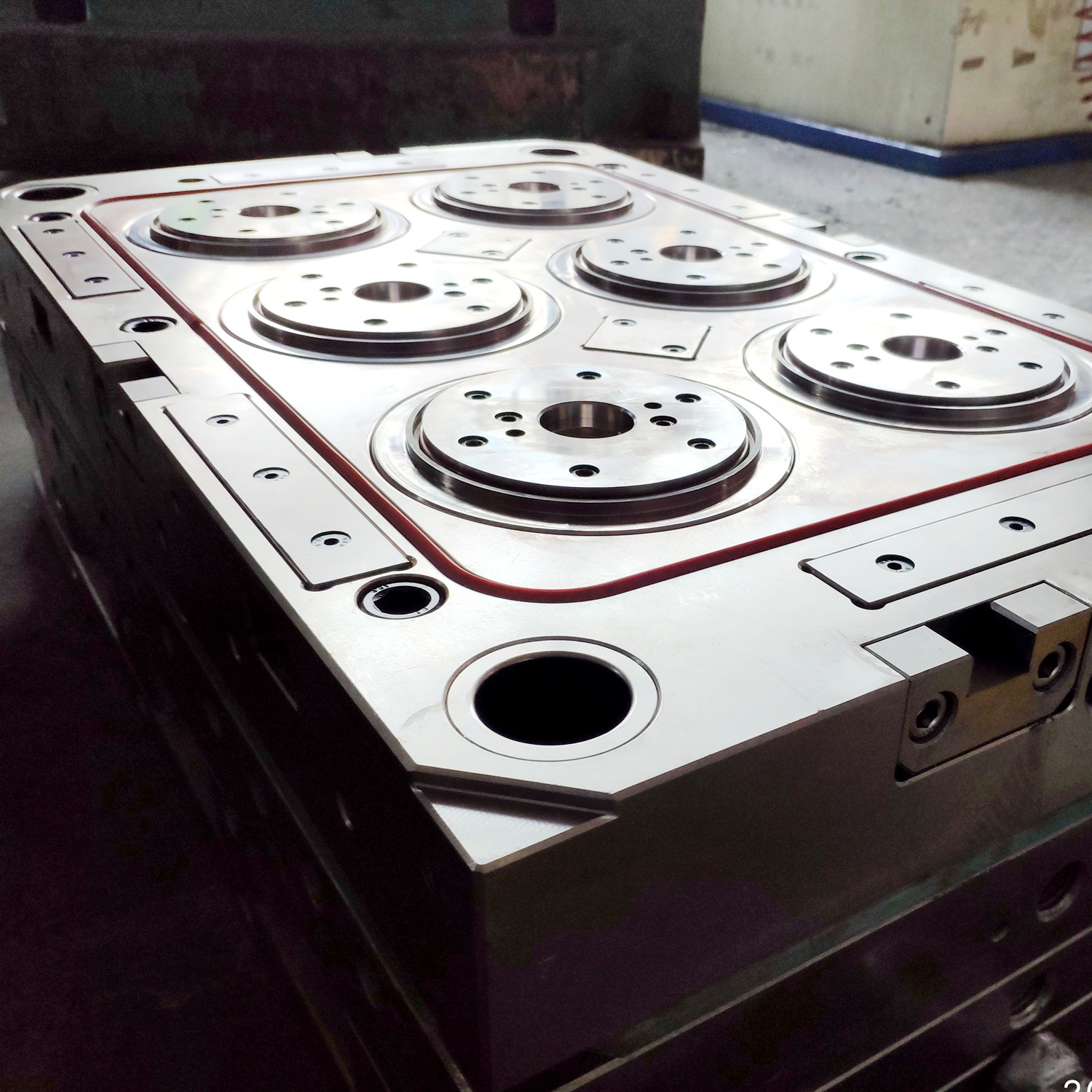
1. Liquid silicone mold design Before designing a liquid silicone mold , you first need to fully understand and analyze the product's function, size, appearance and performance requirements. This includes determining key indicators such as the product's shape, dimensional tolerance, surface finish, hardness, etc. At the same time, factors such as the product's production batch, production efficiency, and production cost need to be considered in order to make reasonable choices in mold design. 2. Selection of liquid silicone mold materials The material selection of liquid silicone molds is crucial, as it directly affects the mold's service life, precision, and product quality. Generally speaking, mold materials should have high hardness, high wear resistance, good thermal conductivity, and low thermal expansion coefficient. Commonly used mold materials include high-quality steel, nickel alloys, etc. When selecting materials, factors such as the material's processing properties, heat treatment properties, and cost also need to be considered. 3. Liquid silicone mold structure design The structural design of liquid silicone molds is the core link in mold design. During the design process, the fluidity of liquid silicone and the shrinkage after solidification need to be fully considered to ensure that the mold can be filled smoothly and produce products that meet the requirements. Specifically, the mold structure design needs to focus on the following aspects: 1. Flow channel design: The low viscosity and fast curing characteristics of liquid silicone require proper flow channel design of the mold to ensure that the material can fill the mold evenly and quickly to avoid bubbles and defects. The flow channel design should take into account the pressure distribution and flow balance to ensure that all parts are cured at the same time. 2. Exhaust system design: Liquid silicone will produce gas during the curing process, so the mold design needs to have an effective exhaust channel to prevent the formation of bubbles and affect the product quality. The design of the exhaust system should be reasonably laid out according to the structure of the product and the fluidity of the liquid silicone. 3. Temperature control system: The curing process of liquid silicone is greatly affected by temperature, so the mold should be equipped with an accurate temperature control system to maintain a constant temperature inside the mold and promote uniform curing. The design of the temperature control system should take into account the selection of heating elements, the design of heat transfer flow channels, and the requirements for temperature control accuracy. 4. Demolding system design: Liquid silicone products have a smooth surface. When designing the mold, the demolding angle and appropriate demolding mechanism should be considered to ensure that the product is easy to demold without damage. The design of the demolding system should take into account the shape and size of the product and the structural characteristics of the mold. 4. Liquid silicone mold processing and manufacturing The processing and manufacturing of liquid silicone molds is an important part of mold design. During the processing, high-precision processing equipment, such as CNC machine tools, is required to ensure the smoothness of the mold surface and the accuracy of the size. At the same time, the mold needs to be strictly inspected to ensure that the precision and performance of the liquid silicone mold meet the requirements. 5. Liquid silicone mold trial and adjustment After the liquid silicone mold is manufactured, it is necessary to test and adjust the mold. The purpose of the trial mold is to check the performance and product quality of the mold, find problems and make adjustments in time. During the trial mold process, it is necessary to pay attention to indicators such as the filling condition, curing time, and dimensional accuracy of the product in order to optimize and adjust the mold. 6. Mold maintenance and maintenance The maintenance and maintenance of liquid silicone molds is the key to ensure the long-term and stable operation of the mold. During use, the mold needs to be cleaned, inspected and repaired regularly to ensure the accuracy and performance of the mold. At the same time, it is also necessary to pay attention to the maintenance and service life of the mold to avoid excessive wear and damage. In short, the characteristics of liquid silicone molds include mold design, mold material selection, mold structure design, mold processing and manufacturing, mold trial and adjustment, and mold maintenance and maintenance. Understanding the characteristics of liquid silicone molds is of great significance for improving product quality and reducing production costs.













© Sil Link Silicone Products.Co.,Ltd. All rights reserved
